The Importance of Consistent Septic Tank Cleaning: Preserve Your Home
Homeowners must perform regular septic system cleaning. This habit helps avoid clogs and backups, which can cause expensive repairs. Moreover, regular maintenance helps prolong the lifespan of the septic system and protects the environment. Many homeowners miss the signs suggesting a cleaning is necessary. Knowing these indicators can greatly affect both health and finances. What are the warning signs that your septic system may require immediate attention?
Why Frequent Septic Tank Cleaning Is Vital for Home Owners
Consistently upkeeping a septic tank is vital for homeowners to ensure the system operates properly. This proactive approach helps avoid clogs, backups, and costly maintenance. A well-serviced septic system can prolong its lifespan, guaranteeing that it functions effectively for years. Routine cleaning eliminates the accumulation of waste, preventing them from overflowing into the drain field, which can lead to ecological damage and health hazards.
Additionally, routine maintenance facilitates early detection of imminent issues, enabling homeowners to address them before they escalate. This not only shields the home but also protects the surrounding ecosystem. By investing in regular septic tank cleaning, homeowners can avoid noxious odors and unappealing messes while promoting a healthier living environment. Ultimately, consistent care of a septic system is a thoughtful practice that benefits both the homeowner and the community.
Red Flags Your Septic Tank Needs Immediate Care?
Property owners should be aware for red flags that their septic tank needs immediate attention. Foul odors emanating from the yard and slow drains throughout the home can suggest underlying issues with the system. Addressing these concerns promptly can prevent more serious problems and costly maintenance.
Unpleasant Scents Radiating Outdoors
A pungent, disagreeable smell in the property may signal that a septic tank needs urgent attention. This foul smell frequently suggests that the tank is backing up or leaking, permitting waste materials to seep into the surrounding soil. Such situations not only undermine the soundness of the septic system but also present health risks to residents and pets. Additionally, these odors can draw pests and create an unpleasant environment for outdoor activities. It is crucial for homeowners to address these issues promptly, as ignoring them can lead to more significant problems, including costly repairs or environmental contamination. Regular septic tank upkeep can help prevent these odors and ensure the system operates efficiently. Immediate action is critical when such signs are detected.
Slow Drains All Over Home
Unpleasant odors around the yard can be a clear indicator of septic system issues, but sluggish drains throughout the home are another significant warning sign that demands immediate action. When sinks, toilets, and bathtubs drain sluggishly, it indicates that the septic tank may be nearing capacity or facing a blockage. These slowdowns can lead in overflows, causing potential damage and health hazards. Homeowners should not ignore these signs, as they often indicate that the tank requires pumping or maintenance. Timely intervention can prevent more severe issues, ensuring the system operates efficiently. Recognizing these signs early allows for proactive measures, safeguarding both the home and the environment from the consequences of a failing septic system. Regular inspections and maintenance are essential.
How Septic Preventive Care Helps You Save Money
Preventative septic maintenance can markedly minimize costs linked to maintenance and system overhauls. By consistently maintaining the septic system, homeowners can increase its useful life and circumvent emergency situations that often cause high-cost fixes. Ultimately, preventative maintenance provides lasting financial relief and peace of mind.
Avoid Costly Maintenance
Regular septic maintenance can significantly decrease the chance of expensive damage. Neglecting a septic system can result in significant issues, such as clogs, leaks, or even complete system failure. By scheduling routine inspections and cleanings, homeowners can identify potential problems early, preventing them from escalating into costly fixes. For instance, a simple tank pumping can avoid backups that might damage plumbing and drain fields. Additionally, maintaining proper bacteria levels helps ensure the system operates properly, reducing wear and tear on components. Ultimately, preventative maintenance not only safeguards the home from unexpected expenses but also fosters peace of mind, knowing the septic system is functioning smoothly. Putting money in routine upkeep is a wise financial decision for homeowners worried over long-term costs.
Lengthen System Operational Life
Maintaining a septic system through regular maintenance greatly lengthens its durability. Regular cleaning and inspection prevent the buildup of solids and sludge, which can trigger system failure. By handling minor issues before they escalate, homeowners can circumvent costly overhauls. This proactive approach not only strengthens the capability of the system but also minimizes the risk of premature degradation. Additionally, a well-maintained septic tank functions more optimally, reducing the need for increased energy consumption. Consistent servicing allows homeowners to maximize their investment, ensuring that the system remains in prime condition for years. Ultimately, focusing on preventative care delivers substantial long-term financial gains, safeguarding the home's value and providing peace of mind.
Prevent Emergency Situations
Periodic tank maintenance can considerably lessen the potential of costly linked article emergencies. By consistently inspecting and maintaining the drainage system, homeowners can recognize potential concerns before they worsen into serious problems. Overlooking upkeep can prompt blockages, overflows, and system malfunctions, which often demand expensive solutions or replacements. Furthermore, pressing situations can interrupt normal routines and bring about significant stress. Proactive maintenance not only defend your residence but also reduce the chances of surprise costs connected to emergency work. Making an investment in routine septic care is a strategic method that ensures the system runs efficiently, eventually helping property owners cut costs and shield their property from unnecessary issues. Regular upkeep is indispensable for enduring tranquility and financial well-being.
Best Strategies for Cleaning Your Septic Tank
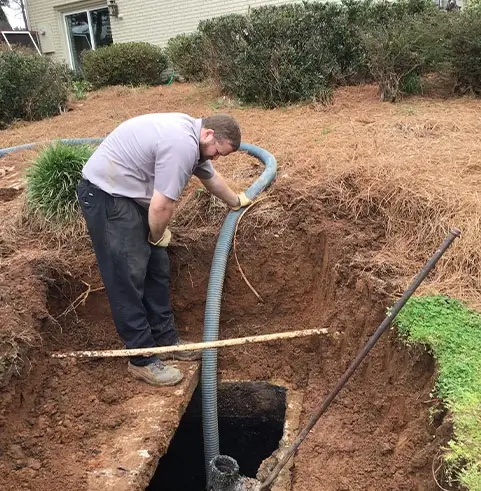
Although septic tank cleaning may seem intimidating, using the proper techniques can streamline the process significantly. First, individuals should find the tank entry locations, usually found adjacent to the house or yard. Next, it is advisable to use a premium pump to extract sludge and scum buildup, ensuring that the tank is drained thoroughly.
After emptying the tank, inspecting for cracks or damage is important. Rinsing the inlet/outlet pipes and baffles using a hose can support proper flow.
Following cleaning, it is important to top up the tank with clean water to the appropriate level. This enables restore the necessary conditions for useful microbes to thrive.
In conclusion, maintaining a detailed log that describes the maintenance calendar and any repairs performed supports monitoring the tank's condition over time. By adopting these techniques, homeowners can properly oversee their septic systems and avert future setbacks.
Environmental Effect of Septic Upkeep on Nature
Wastewater tank care is essential for preserving the environment. Frequent cleaning and suitable upkeep of septic systems stop system failures that can cause harmful leaks and groundwater contamination. When septic tanks operate effectively, they properly break down waste, decreasing the release of pollutants into surrounding soil and waterways.
Ignoring septic system upkeep can create nutrient overloads, resulting in algal blooms that decrease oxygen in water bodies, damaging aquatic life. Additionally, poorly serviced systems can release pathogens that create health risks to humans and wildlife alike. By ensuring septic tanks are serviced and examined regularly, homeowners foster a healthier ecosystem.
Proper care not only safeguards individual properties but also preserves larger environmental resources. Ultimately, proactive septic care supports sustainable water quality and fosters a balanced natural habitat, highlighting the connection of human activities and ecological well-being.
How to Locate the Right Expert for Your Septic Tank Maintenance
How can homeowners ensure they select the right professional for their septic needs? To start, they ought to obtain referrals from trusted family members or friends, as word-of-mouth referrals can provide useful information. Then, researching local companies online enables property owners to review testimonials and verify qualifications. It is essential to confirm that the chosen professional is licensed and insured, as this guarantees compliance with local regulations and protects against possible legal issues.
Property owners should also ask about the offerings available, such as pumping, inspection, and emergency repairs, to verify the professional satisfies their particular requirements. Requesting quotes from several contractors can help in comparing prices and services. Finally, choosing a contractor who exhibits clear communication and professionalism can create a positive working relationship. By adhering to these steps, property owners can confidently locate a qualified septic service provider to service their system effectively.
Commonly Asked Questions
How Frequently Should I Plan Septic Tank Inspections?
Septic tank examinations should be scheduled every three to five years, depending on usage and household size. Regular assessments help prevent expensive repairs and ensure the system operates efficiently, upholding overall health and safety of the property.
What Materials Must Never Go Down the Toilet?
Never flush wipes, feminine hygiene products, dental floss, paper towels, and food scraps down the toilet. These materials have the ability to block plumbing, damage septic systems, and lead to expensive repairs.
Should I Clean My Septic Tank By Myself?
Self-cleaning of a septic tank is inadvisable because of safety concerns and the necessity for professional-grade tools. Professionals have the expertise to guarantee appropriate care, preventing potential damage and expensive repairs for the property owner.
What Expenses Accompany Septic Tank Cleaning?
The expenses for septic tank cleaning generally range from $200 to $500, determined by tank size and local service rates. Supplementary charges may apply for maintenance or pumping frequency, influencing overall expenses.
What Period Can You Anticipate From a Septic Tank?
A septic tank ordinarily lasts between 20 to 30 years, contingent on factors such as maintenance, usage, and environmental conditions. Periodic evaluations and appropriate care can prolong its lifespan markedly, maintaining efficient operation.